
How to Check Road Conditions Before Traveling After Bad Weather
Practical guidance for check Road Conditions Before Traveling After Bad Weather, with clear steps for documentation, official contacts, and next steps without panic or wasted money.
 SurviveHackPractical safety for regular life

Prepared, not panicked
SurviveHack helps you prepare for outages, storms, food safety problems, pet emergencies, home hazards, and everyday disruptions with calm, realistic steps.
Practical guidance for check Road Conditions Before Traveling After Bad Weather, with clear steps for documentation, official contacts, and next steps without panic or wasted money.

Practical guidance for simple Fire Safety Fixes Most Homes Still Ignore, with clear steps for home checks, safer routines, and practical preparation without panic or wasted money.

Carbon monoxide is one of the most dangerous household risks because it does not announce itself. You cannot see it. You cannot smell it. You cannot taste it. By the time someone...
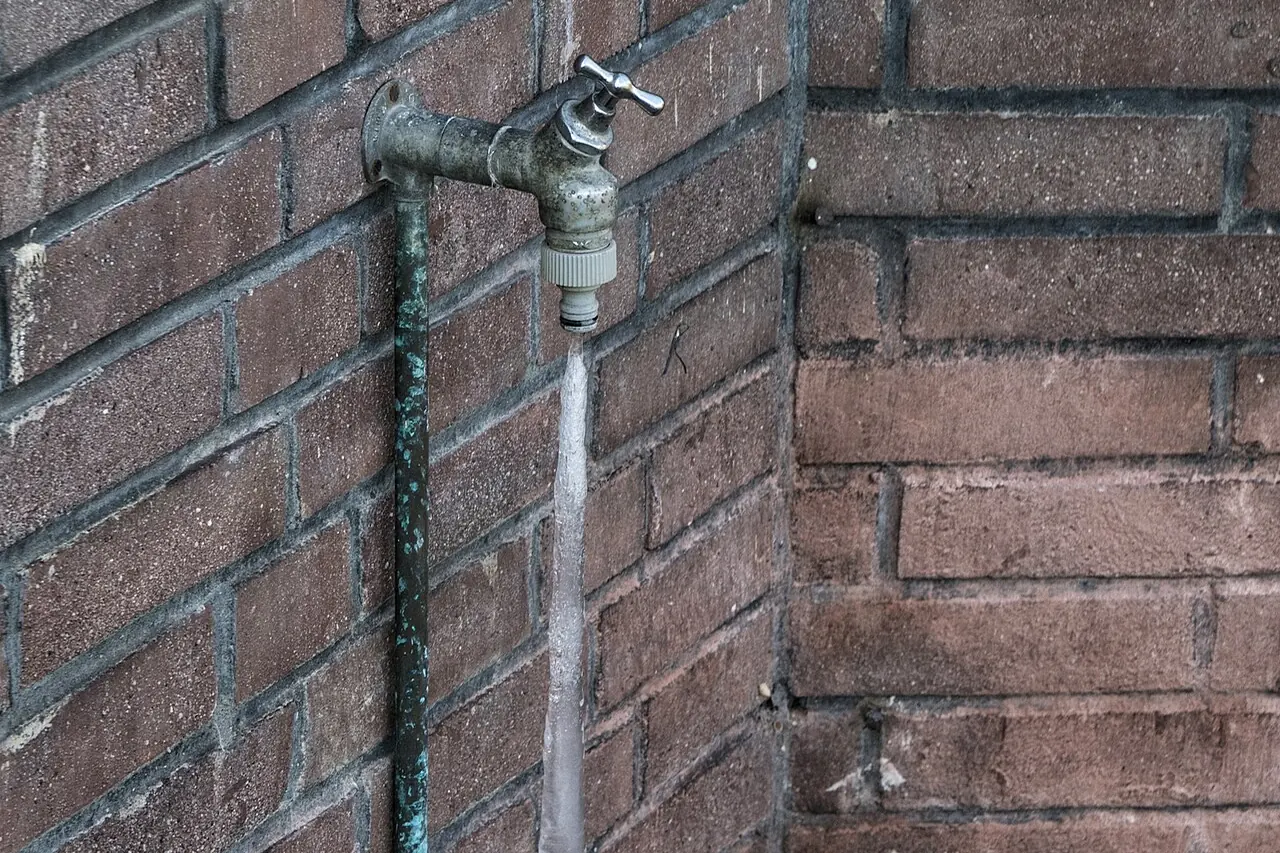
Find the plumbing most exposed to cold, prepare outdoor faucets correctly, and make a freeze-night plan that does not rely on dripping every tap.
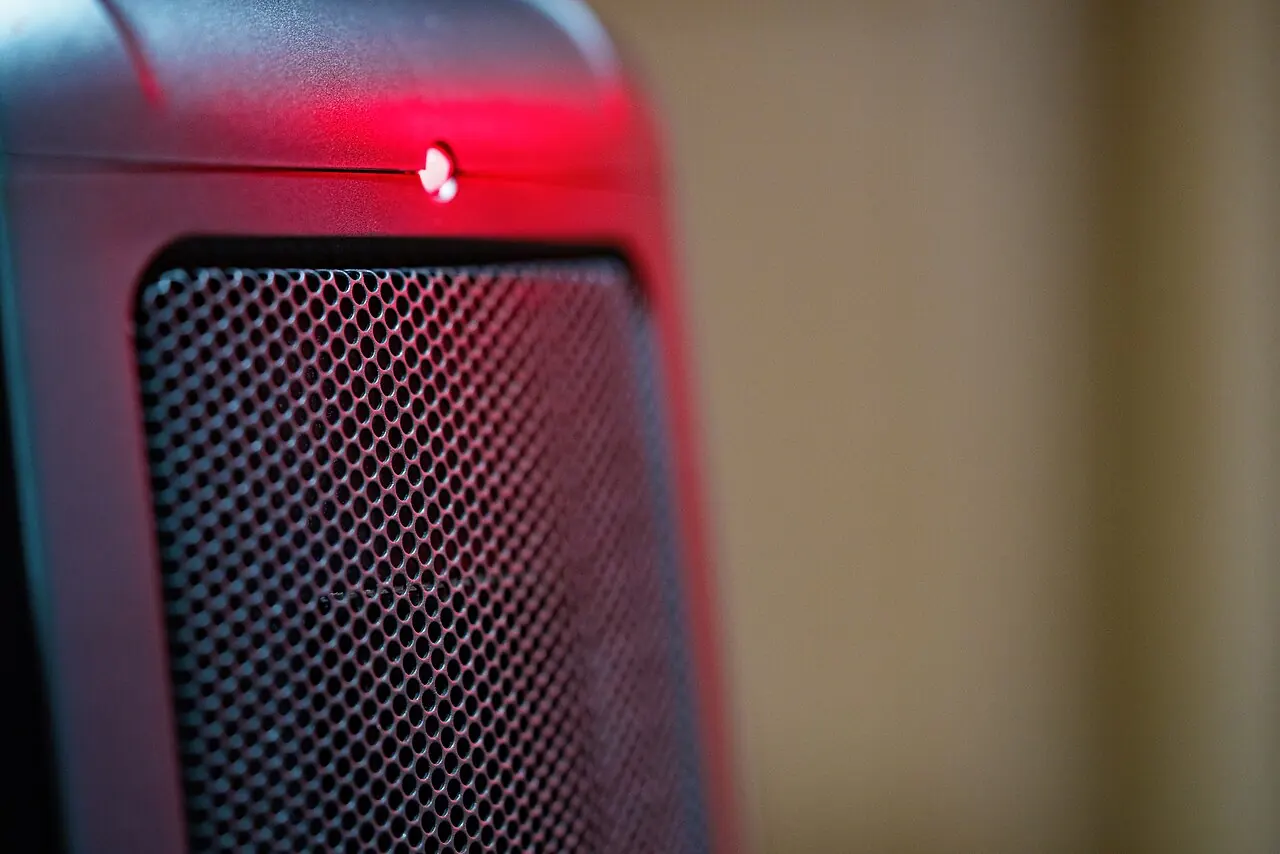
A heater needs more than an empty patch of floor. Assess the outlet, moving furniture, bedding, traffic, and supervision before choosing its spot.
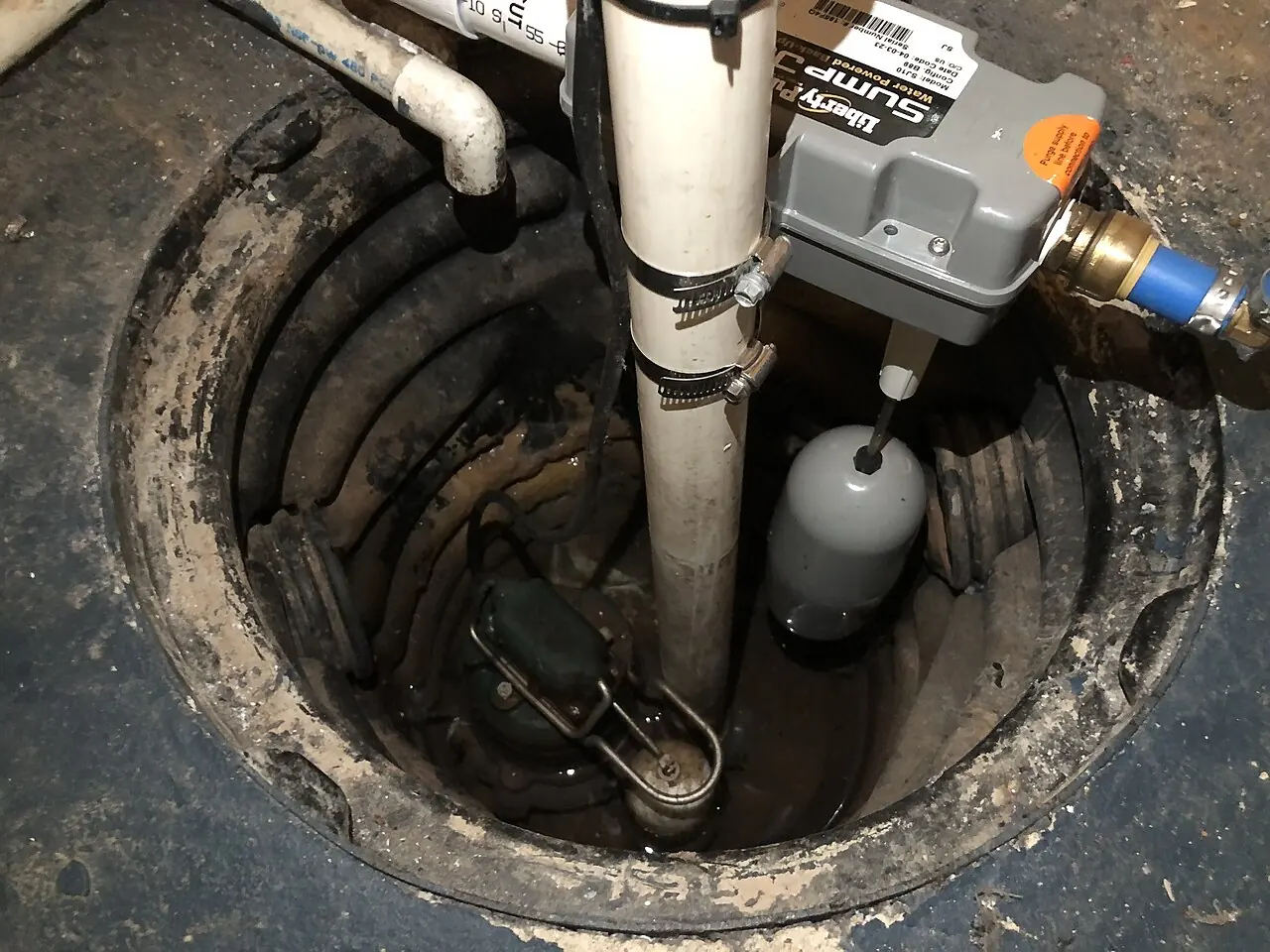
Verify that the pump actually moves water, size backup protection for the installation, and test the outage response before rain or snowmelt fills the pit.
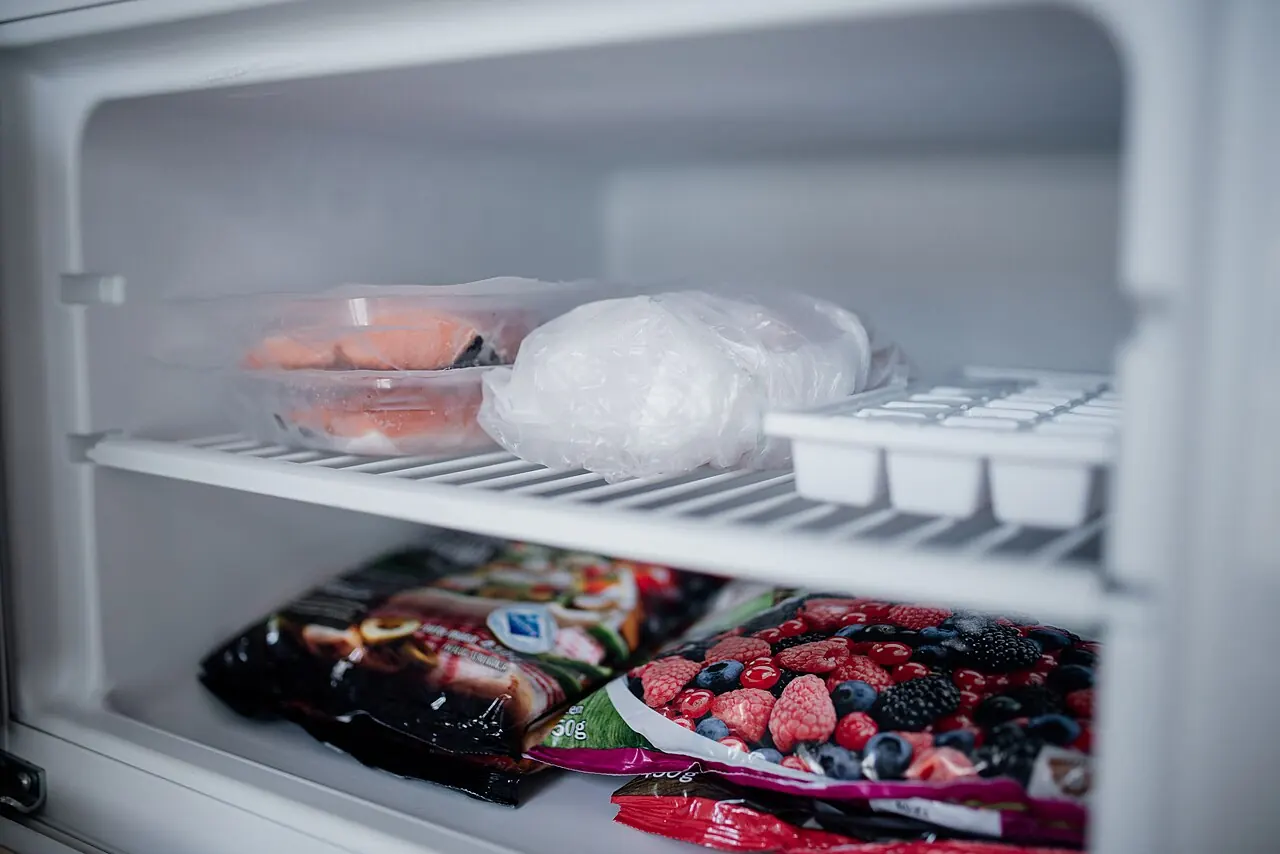
Dry patches do not automatically mean dinner belongs in the trash. Separate freezer-burn damage from unsafe thawing, then decide what to trim, refreeze, use, or discard.
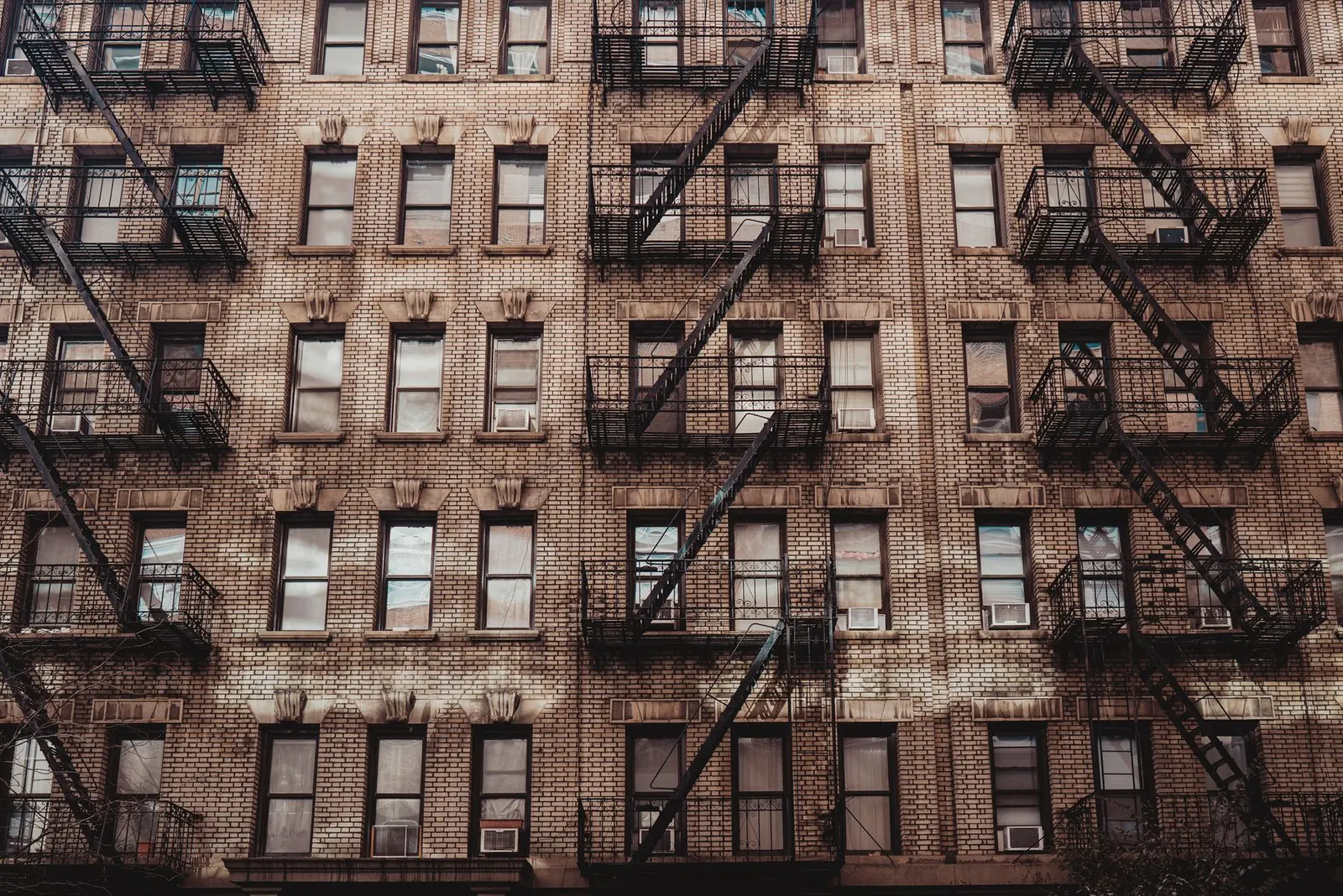
An upper-floor escape plan needs more than a stairwell arrow. Identify usable routes, arrange assistance, and know how to give dispatchers your location if you cannot leave.
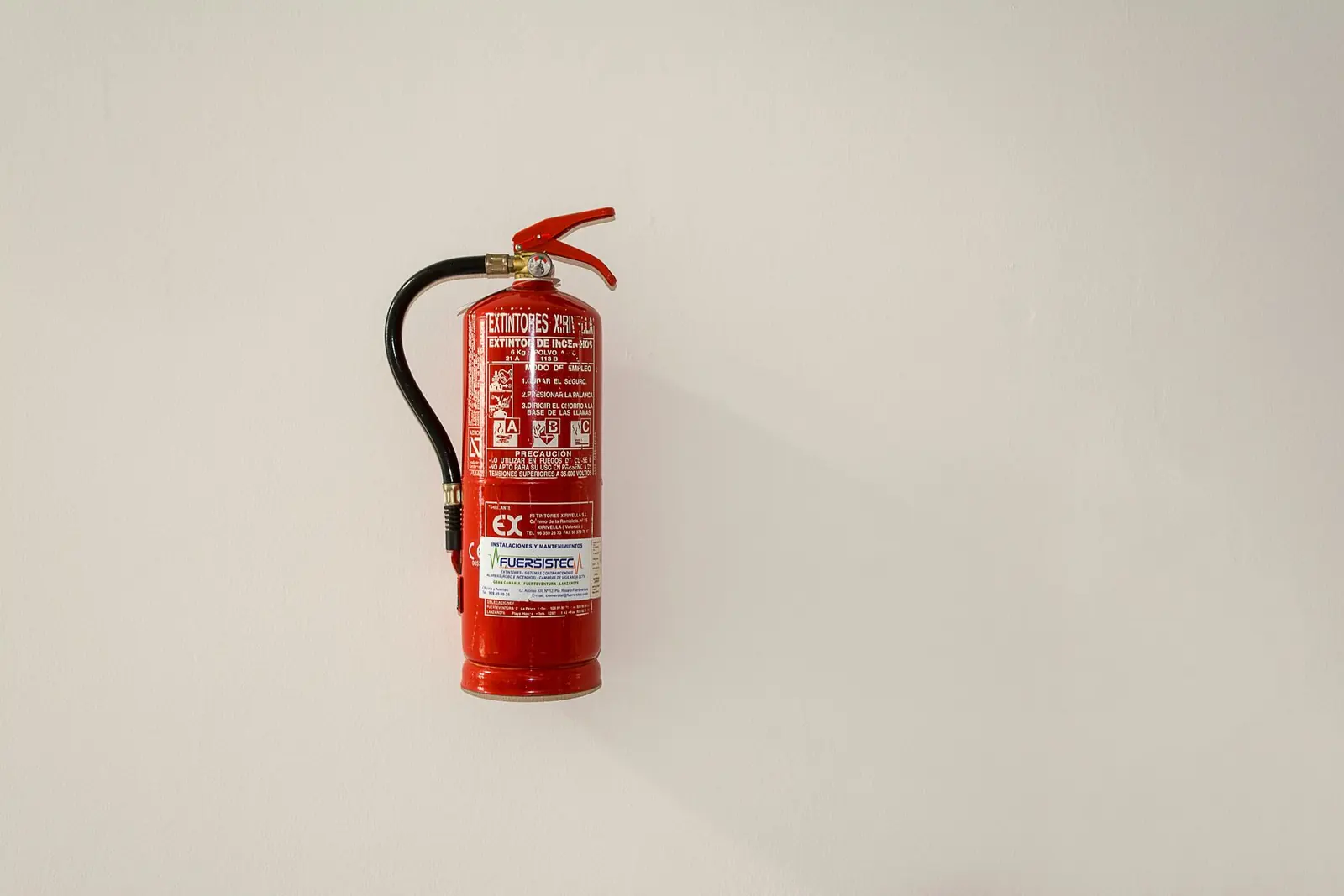
Read extinguisher labels without confusing weight with capability, choose reachable storage, and understand why escape and calling the fire department come before discharge.

Sort tender pots from hardy plants, build a supported overnight cover with household materials, and recognize when a freeze calls for indoor space instead.
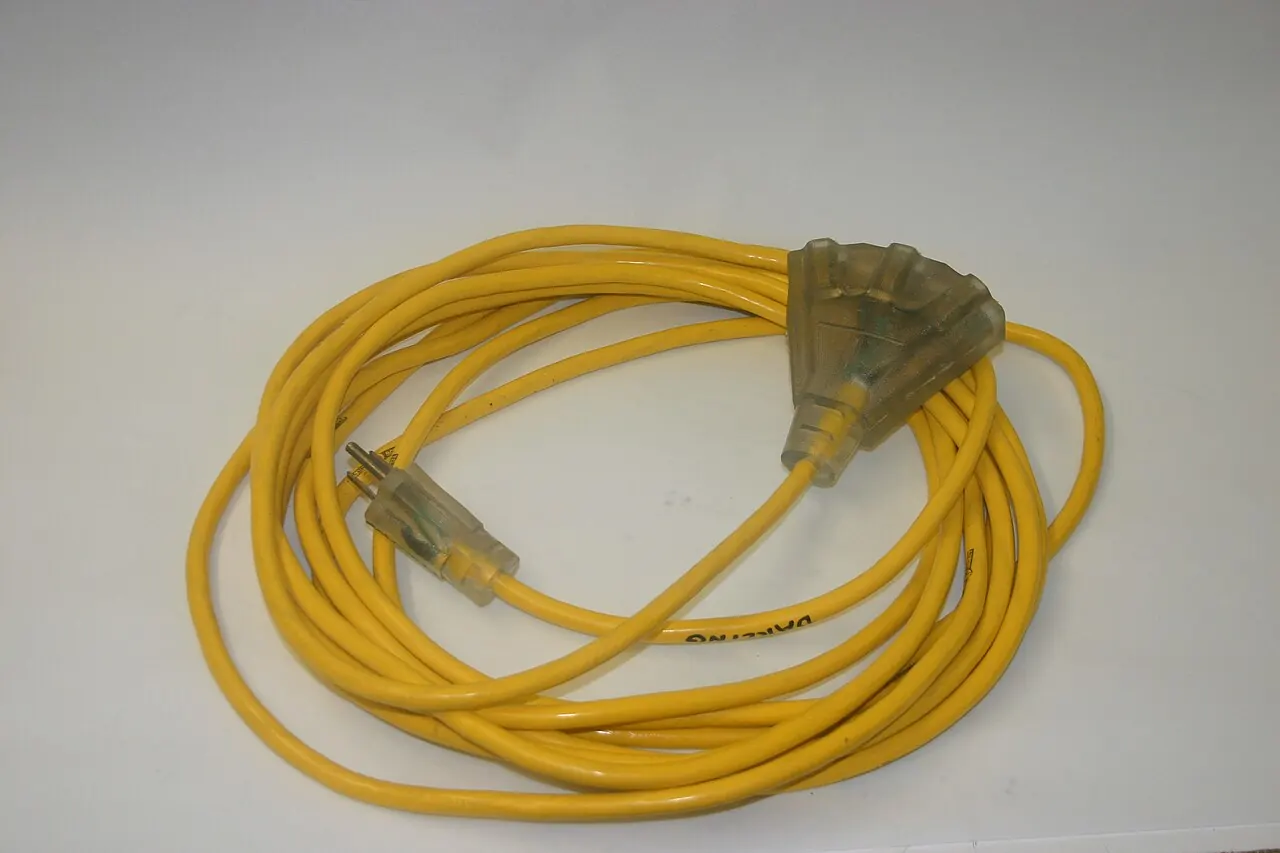
A cord-by-cord approach to temporary outage power: inspect the whole cable, match the load and length, protect the route, and stop when conditions are unsafe.
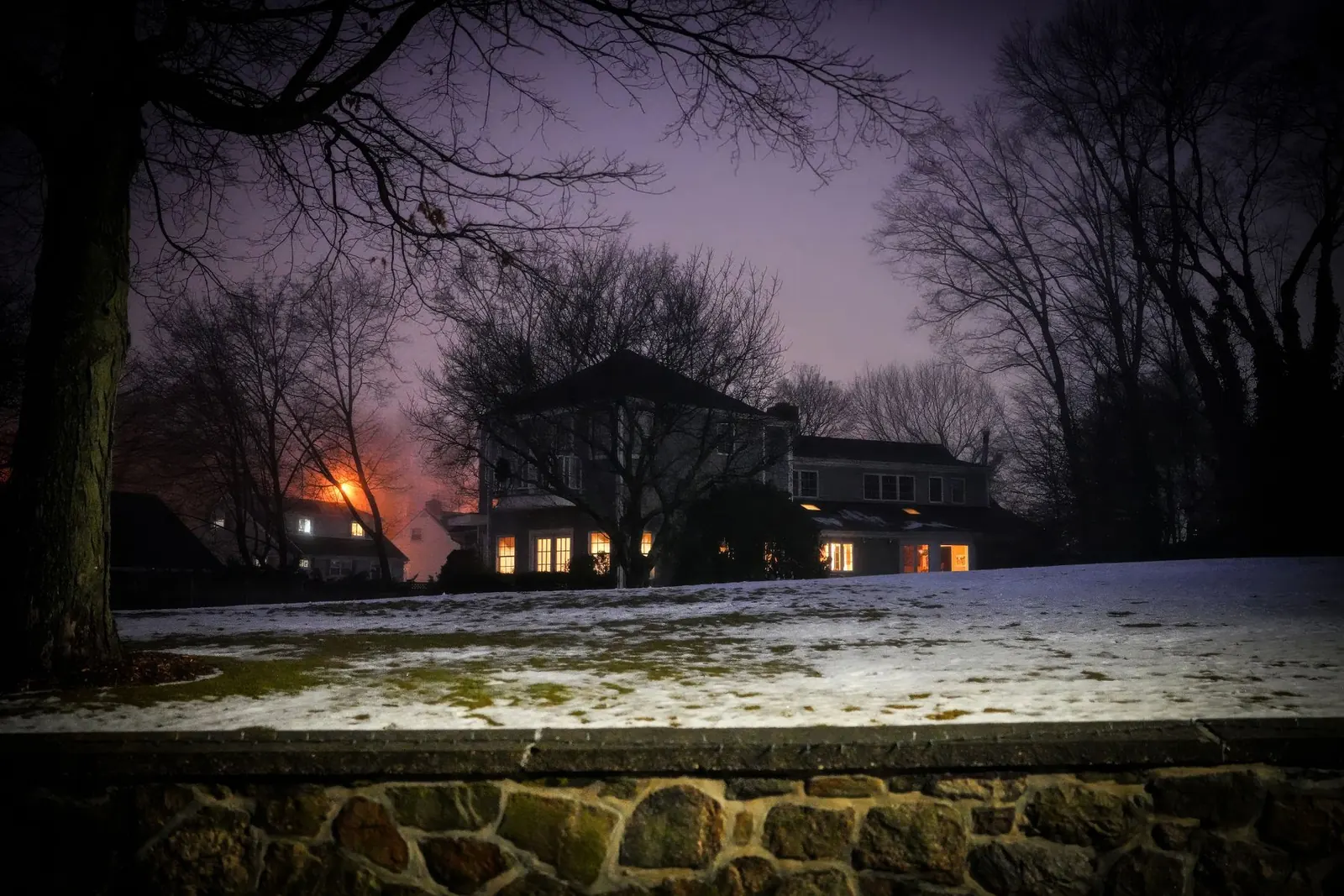
Decide whether home can safely meet your household's needs, verify a destination, and leave enough time for accessible transport before backup options run out.
Use official guidance for severe weather, food safety, public health, and evacuation decisions.